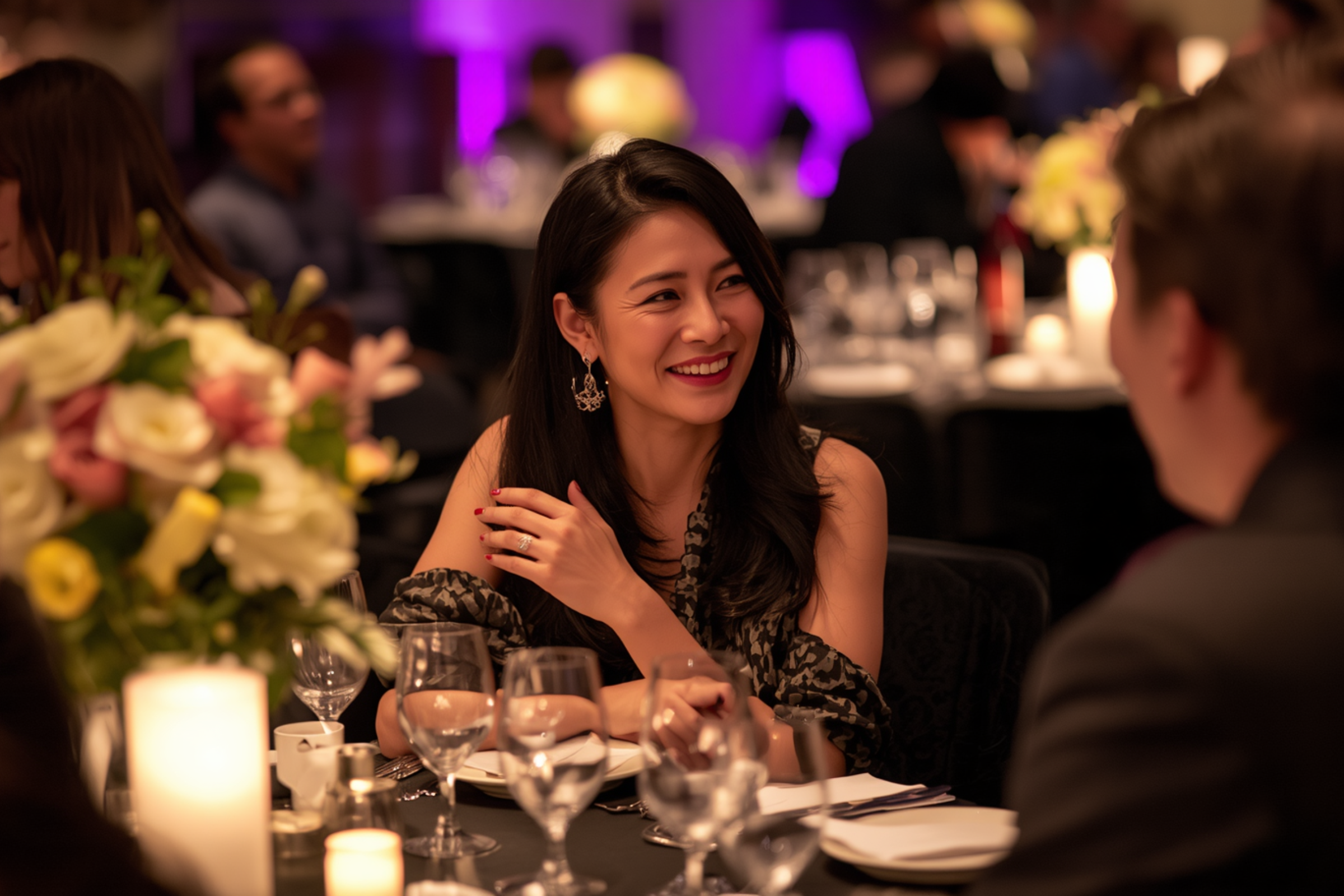
A launch event people remember is one where they felt truly like guests instead of just a member of an audience. To be memorable is not about lighting or venue. Instead it's a knowledge decision: how much the host knows about the people in the room, and how gracefully it shows.
My playbook below is for the marketer, producer, or founder throwing an event themselves — with a bias you should know about up front: the goal is a room, in person, at whatever scale you can afford. Screens are how you plan it; they are not where it happens.
Curate before design
The most common mistake is optimizing for headcount. When you have two hundred loosely-interested people you produce a quiet room and a loud bar line. But if you have sixty people chosen on purpose, let's say customers who love the work, press who cover your brand honestly, and any collaborators who made it then you're producing the thing you actually want and that's conversation that continues after the event leaves. Build the list the way you'd build a dinner party, then scale it, never the reverse.
Give every guest one moment of being known
When each person encounters proof that their presence was specifically expected, it separates an intimate production experience from a regular event. How does this show up in the room? It's their name being known at the door without a lanyard. The founder mentioning a specific question they asked last time. A dietary need handled without being asking twice. These moments cost almost nothing and are the entire difference between "I went to this event" and "they really welcomed me."
At six guests you might be able to hold this in your head. At sixty you can't, and this is the place for technology for an in-person event: not as the experience, but as the staff work underneath it. This is what Coterie's professional tier is built around, every guest's questions, plus-ones, and needs conversed with and captured before the night, so the humans working the room can spend their attention on warmth instead of lookups.
Run-of-show: plan the feeling, not just the timeline
A run-of-show that only lists times produces an event that only runs on time. Alongside each segment, write the feeling it should convey: doors open with anticipation, the founder's toast offers a sense of belonging, the reveal itself brings delight, and the wind-down, reluctance to leave. If a segment has no feeling attached then cut it.
The event isn't over when it ends
A forgettable launch will end at the door, but a memorable one sends an intentional follow-up: maybe a photo, a thank-you that references something real from the night, a first look at what's next. Not a campaign, a note. And everything you learned in the room like who asked for a sample, who wants a press kit, who should meet belongs in your records, not in six people's memory. What the evening produced is a list of deepened relationships; treat it as the deliverable it is.
The recap...
Curate small, know your guests before they arrive, produce feelings not just a timeline, follow up like as a real person. Do those four in person, with whatever tools make them easier for you, and I think your event will be talked about for all the right reason, because people felt known not leveraged.